Book canton top Synthetic Turf Installation
Artificial Grass Installation: The Green Answer for Your Lawn
Synthetic grass installation constitutes a practical substitute for homeowners looking for a eco-conscious lawn answer. Its durability and reduced upkeep needs deliver considerable advantages over traditional grass. As water preservation grows increasingly vital, artificial turf serves as an effective answer to environmental concerns. Nevertheless, the determination to install synthetic turf entails various factors that justify comprehensive analysis. Which aspects must homeowners assess before making the switch to this green alternative?
Comprehending Artificial Grass: Critical Characteristics and Perks
Synthetic turf has grown into a popular alternative to natural grass, presenting substantial advantages for assorted applications. One of its key features is durability; synthetic grass can withstand heavy foot traffic and extreme weather conditions without deteriorating. This robustness makes it an ideal choice for sports fields, playgrounds, and residential lawns.
Moreover, synthetic turf calls for scant maintenance relative to natural grass. There is zero need for mowing, watering, or fertilizing, delivering significant time and cost benefits for homeowners and facility managers alike.
Additionally, fake grass is green-conscious, as it minimizes water usage and avoids the need for harmful pesticides and fertilizers.
Technological developments have enabled synthetic turf to replicate the appearance and feel of natural grass, delivering aesthetic appeal without the drawbacks. These features together make synthetic turf a viable and attractive option for a wide range linked article of uses.
Installing Synthetic Turf: A Step-by-Step Guide
When examining the advantages of synthetic turf, the next obvious move is grasping the installation process.
The initial stage involves site readiness, which includes clearing the area of present grass, weeds, and debris. Next, a base layer of crushed stone or aggregate is positioned to ensure proper drainage and stability. Following this, a weed barrier is installed to inhibit unwanted vegetation.
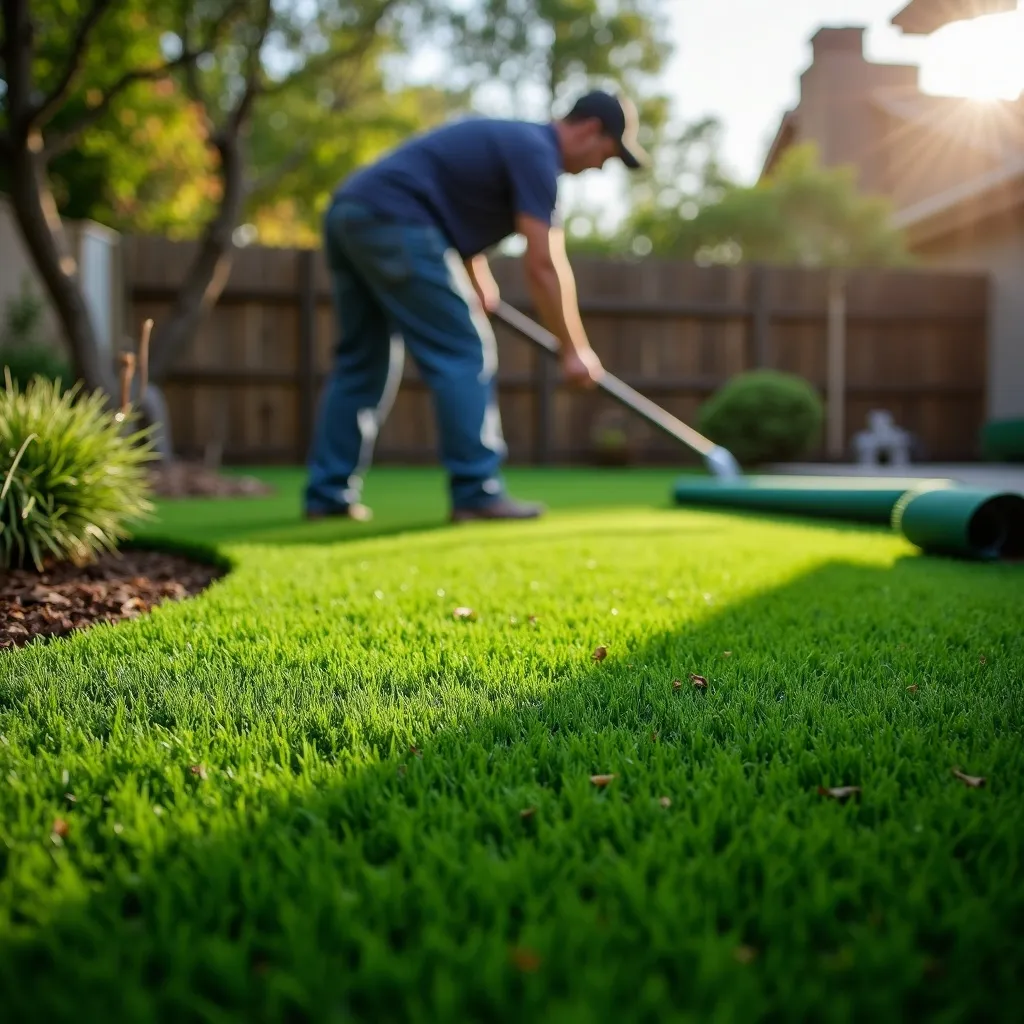
After establishing the base, the synthetic turf rolls are unrolled and positioned, making possible proper alignment. The edges are anchored with stakes or adhesive, assuring a seamless appearance.
After positioning, a layer of infill material, such as rubber or sand, is laid uniformly to offer weight and support. Finally, the turf is brushed to lift the fibers and produce a natural look.
Completing these steps produces a durable, low-maintenance lawn that amplifies both visual charm and functional value.
Why Choose Synthetic Turf? Environmental and Functional Benefits?
Picking artificial grass offers numerous practical and environmental advantages that make it an attractive option for many homeowners and businesses. One significant benefit is water conservation; artificial turf removes the requirement for routine irrigation, which is particularly beneficial in arid regions.
Additionally, it decreases the reliance on damaging pesticides and fertilizers, promoting a more robust ecosystem.
From a practical standpoint, artificial grass requires reduced upkeep, saving resources and costs on lawn care. It remains vibrant and verdant throughout the year, delivering a consistent aesthetic appeal without seasonal fluctuations.
Moreover, synthetic turf is long-lasting, capable of enduring heavy foot traffic and various weather conditions, making it ideal for both residential and commercial applications.
These features not only enhance the functionality of outdoor spaces but also contribute to long-term sustainability, positioning synthetic turf as a attractive choice for environmentally conscious buyers.
Critical Things to Think About for Synthetic Turf Setup
Multiple factors must be considered before beginning synthetic turf installation. First, it is essential to assess the planned purpose of the area. Various types of synthetic turf are engineered for particular uses, such as sports or residential grounds maintenance.
Second, the regional weather conditions should be considered; some materials may withstand heat more effectively than others.
Site setup is another significant element, necessitating proper drainage and a flat base to ensure longevity and performance. In addition, potential local regulations or property association guidelines may impact installation options.
Picking the ideal infill material is vital for durability and coziness, as it determines both the look and feel of the turf.
Lastly, selecting a esteemed installer can greatly determine the quality and longevity of the installation. By examining these elements, homeowners can formulate deliberate decisions that most ideally correspond to their expectations and enrich their recreational spaces.
Upkeeping Your Synthetic Turf Lawn
Keeping your synthetic turf lawn in good condition requires a dependable cleaning regimen for guaranteeing its longevity and appearance.
Regular upkeep includes dealing with any spots and utilizing fix methods as needed.
Stick to a routine housekeeping schedule
A regular maintenance plan is crucial for maintaining the look and durability of synthetic turf lawns. Regular maintenance helps prevent debris buildup, minimizes odors, and enhances aesthetic appeal.
Property owners should aim to remove leaves, twigs, and other organic materials at least once a week, especially during fall. Additionally, washing the turf with water monthly can help eliminate dust and allergens, maintaining a fresh look.
For high-traffic areas, more frequent attention may be required to preserve the turf's integrity. In colder months, snow and ice should be carefully removed to prevent harm to the blades.
Spotting and Fix Tips
Identifying and addressing issues quickly is crucial for preserving the integrity of synthetic turf lawns. Regular examinations should be conducted to detect indicators of damage, such as tears, unraveling, or irregular surfaces.
Upon detecting a problem, immediate action is necessary. Minor tears can be mended with specialized adhesive or turf tape, ensuring a firm bond without affecting appearance. For larger issues, professionals may be required to replace sections of turf.
In addition, keeping the base material intact is critical; any shifting can result in further complications. Routine brushing helps keep an smooth finish and can also detect latent issues.
Expense Assessment: Synthetic Turf vs. Natural Grass
When considering the costs of artificial grass alternatives to conventional grass, initial installation expenses represent a key consideration.
Furthermore, extended maintenance expenses can substantially affect the complete financial burden of each option.
A in-depth assessment of these factors demonstrates vital information for prospective buyers.
Beginning Installation Prices
Installation charges serve as a key factor in the decision-making process for homeowners and municipalities weighing synthetic turf against natural grass.
In general, the initial costs for synthetic turf can vary from $5 to $20 per square foot, depending on quality and installation complexity. In contrast, natural grass installation usually costs between $1 to $2 per square foot.
However, the full expenditure in natural grass can rise substantially due to soil conditioning, irrigation systems, and continuous maintenance necessities.
Property owners and local authorities must compare these first-time expenses against the achievable future returns of artificial turf, such as curtailed water use and diminished maintenance needs.
Fundamentally, recognizing these costs assists in making deliberate, green landscaping alternatives.
Long-Term Upkeep Expenses
Long-term operational costs markedly impact the overall cost-effectiveness of synthetic turf compared to natural grass.
Maintaining natural grass necessitates persistent financial obligations, covering routine lawn mowing, soil fertilization, consistent watering, and pest management, which can increase notably over time. Homeowners may allocate hundreds to thousands of dollars per year to keep a vibrant lawn.
In comparison, artificial grass demands low maintenance, largely periodic cleaning and rinsing to remove dirt and particles. Though the initial financial commitment in synthetic turf might be elevated, the lowered long-term costs establish it as an attractive alternative.
In addition, artificial grass cuts out water bills related to irrigation, maximizing its cost-effectiveness over time.
In the end, the monetary benefits of synthetic turf maintenance can result in significant cost reductions for homeowners in the long run.
Dispelling Widespread Misconceptions Regarding Synthetic Turf
Although many individuals carry false beliefs about synthetic turf, grasping the realities can result in informed choices. One common myth is that synthetic turf is damaging to the natural world; however, many products are made from recycled materials and are constructed to be long-lasting, reducing waste.
A common assumption is that synthetic turf requires substantial heat maintenance, but modern installations often incorporate reliable cooling technologies that mitigate temperature issues.
Additionally, some detractors contend that synthetic turf encourages artificial compounds; yet, improvements in materials have significantly reduced the demand for dangerous infill substances.
In conclusion, the belief that synthetic grass cannot support biodiversity is false; many installations can coexist with native plants, offering habitats for local wildlife.
Frequently Asked Questions
What Period Should You Plan Before Synthetic Turf Requires Replacement?
Manufactured turf generally functions between 15 to 25 years before needing replacement. Components influencing longevity include excellence, maintenance routines, and atmospheric circumstances, which can greatly impact its durability and overall performance over time.
Is Synthetic Turf Safe for Pets to Enjoy?
Pets can securely enjoy synthetic turf, as it is engineered to be durable and non-toxic. Regular maintenance ensures cleanliness, making it a practical option for pet owners looking for a easy-to-care-for, pleasant outdoor space for their animals.
Will Artificial Grass Absorb Heat When the Weather is Bright?
Yes, artificial grass does retain warmth in bright conditions, considerably raising surface temperatures. This can lead to discomfort for both pets and humans. Frequent irrigation or choosing lighter-shade grass can help mitigate this heat retention.
Which Options Are There for Artificial Grass Tones and Styles?
You can find synthetic turf options with different colorations like bright greens, earthy browns, and even customized shades. The designs range from faithful mimicry of natural grass to stylized patterns, accommodating a broad array of visual tastes and functional needs.
In What Ways Does Synthetic Turf Influence Local Wildlife?
Synthetic grass can disrupt local animal populations by altering habitats and decreasing natural nutrition availability. Its inflexibility may deter certain animals from nesting or foraging, potentially resulting in decreased species diversity in the impacted regions.